How to Maintain Dignity in Personal Care in Residential Care Settings
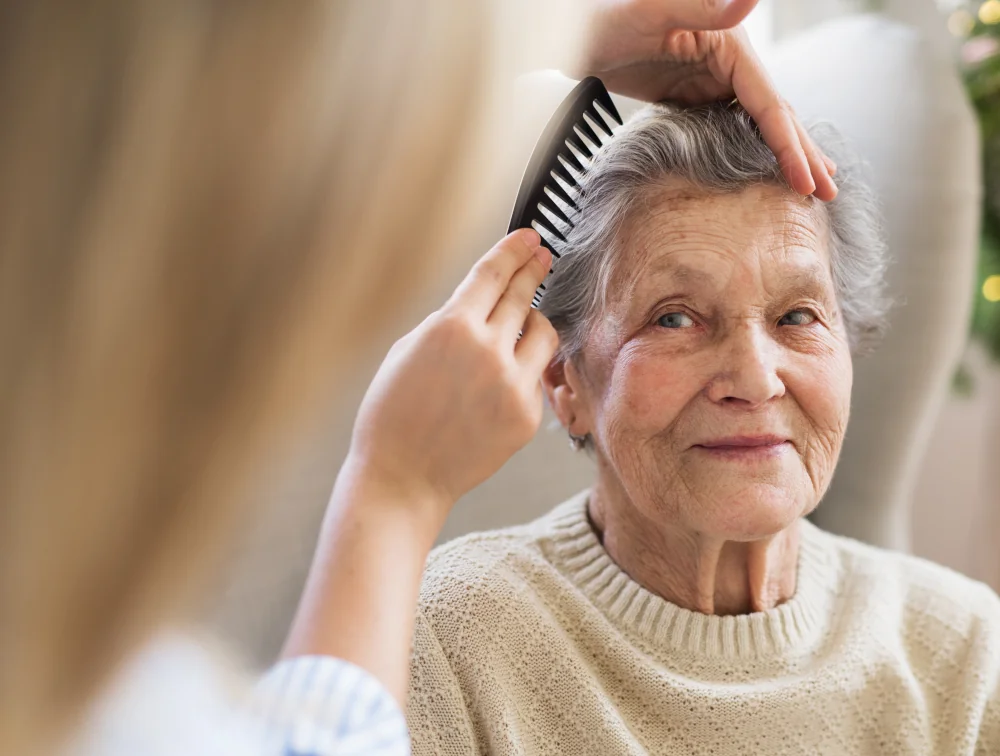
For those living in residential care, the transition from independent living to receiving support with daily tasks is a significant life event. Personal care (tasks such as bathing, dressing, and toileting) represents the most intimate point of contact between a resident and a caregiver. When handled with sensitivity, these moments reinforce a resident’s sense of self-worth. However, when neglected, they can erode the very essence of their dignity.
Preserving dignity is the cornerstone of exceptional care. It requires a shift from viewing personal care as a series of tasks to be completed, to seeing it as an opportunity for meaningful, respectful engagement.
Why Maintaining Dignity is Fundamental to Aged Care
Dignity is a multifaceted concept that encompasses respect, privacy, autonomy, and self-worth. In a residential setting, maintaining a resident’s dignity is directly linked to their emotional and psychological well-being. According to the Aged Care Quality and Safety Commission, every resident has the right to be treated with dignity and respect, and to live a life free from neglect or abuse.
When dignity is prioritised, a foundation of trust is built between the resident and the healthcare team. This trust is essential for effective care, as residents who feel respected are more likely to communicate their needs openly and participate in their own care planning. Conversely, a lack of dignity can lead to feelings of shame, withdrawal, and a decline in overall health.
Navigating Personal Care Challenges in Residential Settings
Residents and staff face several barriers that can complicate the delivery of dignified personal care. Physical limitations, such as reduced mobility or chronic pain, can make routines like showering uncomfortable or embarrassing for the individual. Cognitive changes, particularly in residents living with dementia, may lead to confusion or distress during care, as they may not fully understand why a stranger is assisting them with intimate tasks.
Additionally, physical health complications can arise that require specialised knowledge to manage respectfully. For instance, skin health is a major concern in residential care. Incontinence-Associated Dermatitis (IAD) is a common challenge that, if caught early, can be managed with minimal disruption to the resident’s comfort and privacy. Staff and families need to understand the early signs of IAD and learn what to do to prevent discomfort and further complications like pressure injuries.
Emotional barriers also play a significant role. The loss of independence can be a grieving process for many seniors. Acknowledging the vulnerability inherent in receiving personal care is the first step toward overcoming these barriers.
The Consequences of Inadequate Personal Care Practices
When care is rushed, impersonal, or dismissive, the psychological consequences can be profound. Residents may experience:
Loss of Identity: Being treated as a room number or a diagnosis rather than an individual leads to a diminished sense of self.
Increased Anxiety and Depression: Persistent feelings of vulnerability and a lack of control over one's body are significant contributors to mental health struggles in the elderly.
Social Withdrawal: Shame regarding physical appearance or hygiene often leads residents to avoid communal areas and social activities, furthering isolation.
From a clinical perspective, inadequate care can lead to severe health outcomes. Research shows that skin conditions and infections are prevalent among the elderly; consistent, dignified care is a primary preventative measure against these ailments.
Best Practices for Providing Respectful Personal Care
Upholding dignity requires a combination of clinical skill and genuine empathy. Here are actionable strategies for caregivers in residential settings.
Prioritise Privacy and Modesty
Privacy should be the default, not an afterthought. Always ensure doors and curtains are fully closed before commencing care. Use towels or dignity capes to keep the resident covered as much as possible during bathing or dressing, exposing only the area being attended to.
Promote Autonomy and Choice
Independence should be encouraged at every level, no matter how small the task. Ask the resident which outfit they would like to wear or if they prefer a morning or evening shower. By involving the resident in decision-making, you reinforce their agency and control over their own life.
Master the Art of Communication
Always explain what you are doing before you do it. Use a calm, respectful tone and maintain eye contact where appropriate. Avoid the use of overly simplistic or patronising language. Instead, engage in adult-to-adult conversation that acknowledges the resident’s life experience.
Foster a Person-Centred Culture
Residential care facilities thrive when they adopt a person-centred approach. This means tailoring care routines to the resident’s lifelong habits. If a resident has always preferred a bath over a shower, or a specific brand of soap, accommodating these preferences shows respect for their history and identity.
Monitor and Manage Skin Integrity Proactively
As mentioned previously, maintaining skin health is a critical component of personal care. Regular skin assessments, performed gently and privately, allow for the early detection of issues. Using trusted guidelines and best practices ensures that residents receive the highest standard of preventative care, reducing the pain and indignity associated with advanced skin breakdown.
Maintaining dignity in personal care is the ultimate expression of compassion within a residential aged care setting. It is about seeing the person behind the clinical needs; the grandmother who was a pioneering teacher, the veteran with a lifetime of stories, or the father who remains a devoted family man.
When we prioritise privacy, foster genuine autonomy, and maintain clear, respectful communication, we uphold a resident’s fundamental right to be themselves.